
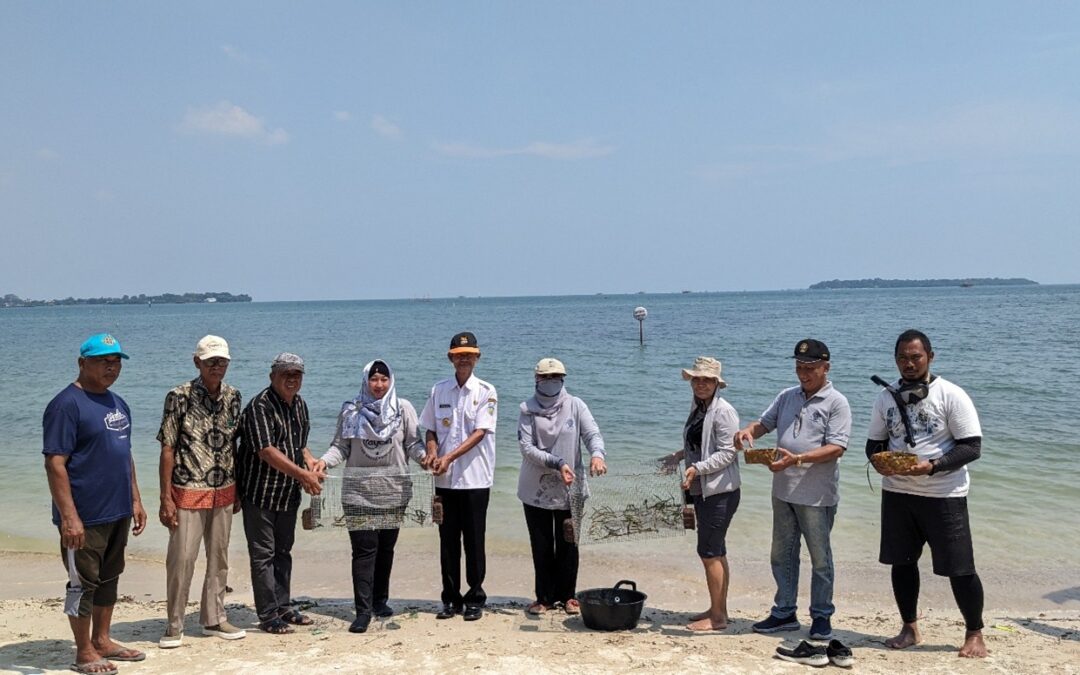
Jepara (6 May 2026) – Seagrass ecosystems play a vital role in maintaining the balance of coastal areas. The various ecological benefits of seagrass are crucial for aquatic organisms, serving as spawning grounds, nursery grounds and feeding grounds. Furthermore, seagrass can act as a wave break and sediment trap, thereby serving as a buffer that minimises erosion and accretion along the coastline. However, these functions are not widely known among coastal communities, as is the case with tourism managers in the Prawean Beach area of Jepara, who often refer to seagrass as ‘jelamun’. Prawean Beach in Jepara is one of the rapidly developing tourist destinations in Jepara, as evidenced by the increasing number of both local and domestic tourists visiting the area. One of the popular activities is swimming at the beach, which can disrupt the seagrass beds. In addition, boat traffic along the route from Prawean to Pulau Panjang, and the mooring of vessels, are also suspected of causing damage to or even the loss of seagrass beds. Research conducted by Dr Nurul Latifah, S.Kel., M.Si. and her team indicates a decline in seagrass ecosystem density in Prawean from the east monsoon season (182.3±21.1 ind/m²) to the west monsoon season (177.5±30.9 ind/m²). The long-term loss of seagrass ecosystems will result in reduced fish catches for fishermen, coastal erosion, and a reduction in carbon sequestration—a key measure for climate change mitigation.
The Aquatic Resources Management Study Programme, Faculty of Fisheries and Marine Sciences (MSP-FPIK Undip), was motivated to undertake seagrass rehabilitation through seagrass transplantation efforts around coastal areas outside those used for tourist swimming activities. The community service activity took place on 6 May 2026 and was attended and enthusiastically welcomed by the Village Head of Bandengan and the Prawean Beach Tourism Manager. The methods used in this transplantation were the frame method using an iron frame (Figure 1) and the plug method using woven bamboo (Figure 2), with the donor seagrass species being Thalassia hemprichii and Cymodocea rotundata, which have strong root systems, large morphology, and high seagrass carbon storage compared to other seagrass species. The use of these two methods forms part of a knowledge transfer initiative designed to inform the public about the strengths and weaknesses of each method. It is hoped that this effort will raise public awareness of the need to continue conserving seagrass to maintain the balance of Jepara’s coastal ecosystem. This community service project is led by Dr Nurul Latifah, S.Kel., M.Si, with Dr Churun Ain, S.Pi., M.Si, and Dr Ir Frida Purwanti, M.Sc, serving as members of the project team.
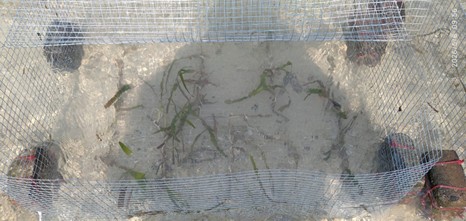
Figure 1. The metal frame method is expected to help keep the seagrass stable during the adaptation process and whilst the roots are taking hold in the substrate.
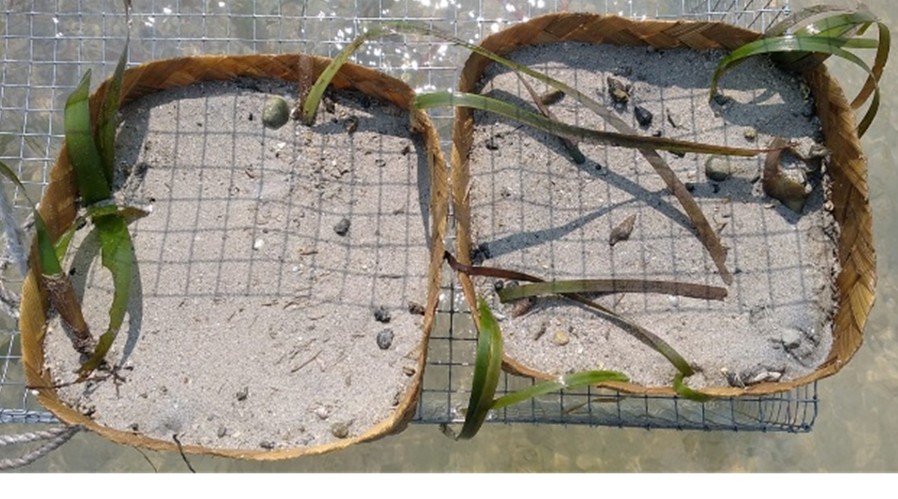
Figure 2. The plug method using steel mesh, which is driven directly into the sediment, is more environmentally friendly.
